As the frosty weather approaches, homeowners begin to consider the efficiency and readiness of their heating systems. Central to many homes is the heat pump, a device that plays a crucial role in maintaining comfort during the chilly months. Optimizing your heat pump for winter not only ensures a warm and cozy home but also helps reduce energy bills and extends the system’s lifespan. Here are essential strategies to prepare your heat pump for the demands of winter.
Understanding Heat Pump Operation in Winter
Heat pumps extract warmth from the outside air and transfer it indoors, making them an efficient heating method even in cold weather. However, factors such as insulation, thermostat settings, and system maintenance can significantly impact their efficiency. Optimizing your heat pump involves addressing these factors to maintain comfort while minimizing energy consumption.
Optimizing Temperature Settings
One simple yet effective step is to adjust your thermostat settings. Keeping your heat pump at a consistent, energy-efficient temperature reduces strain on the system and helps lower energy costs. Avoid frequent, drastic temperature changes, and consider using an energy-saving or eco mode for optimal performance.
Ensure Proper Insulation and Sealing
Effective insulation is critical for heat pump efficiency. Properly insulated walls, attics, and floors retain the heat transferred indoors and reduce the workload on your heat pump. Sealing leaks around doors, windows, and other openings prevents warm air from escaping, further enhancing your system’s efficiency and keeping your home comfortably warm.
Regular Maintenance and Air Filter Replacement
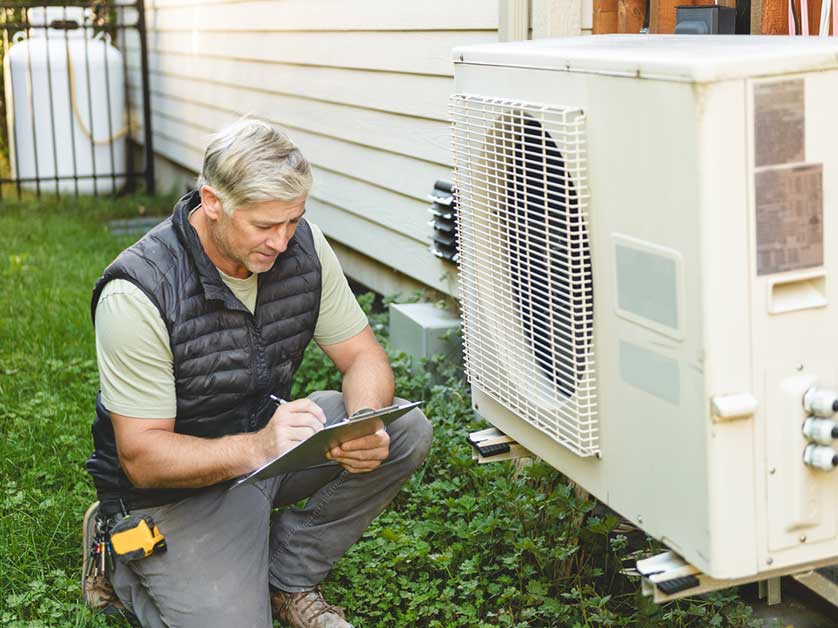
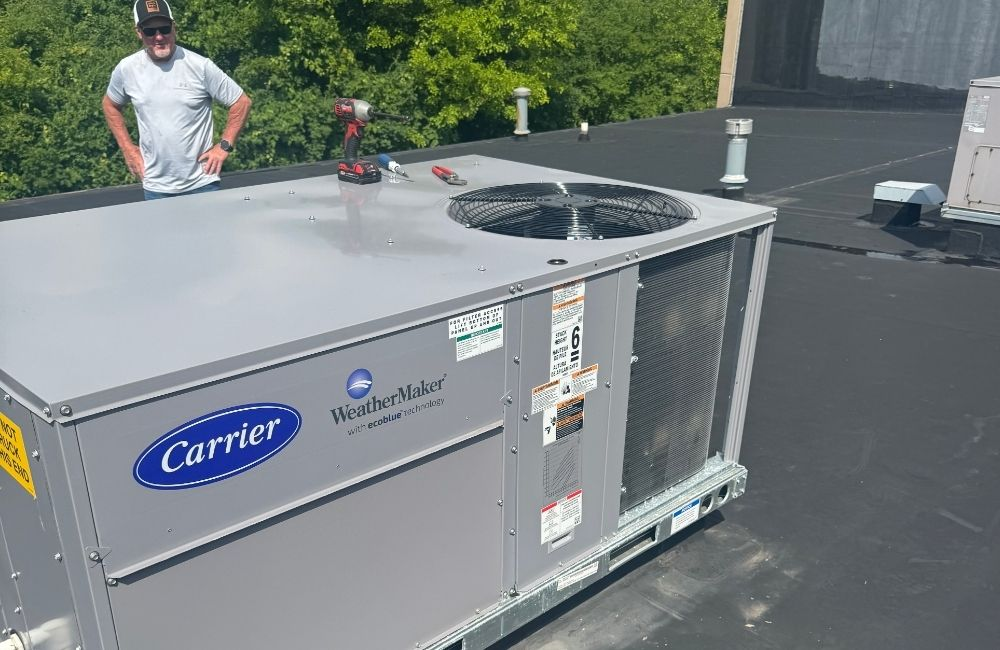
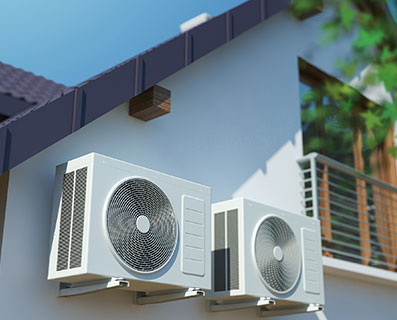
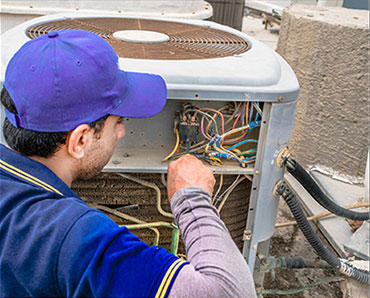
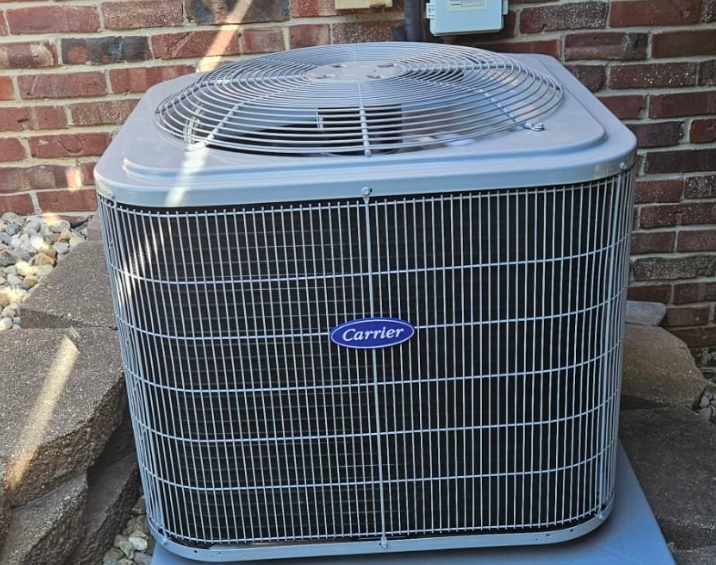
Routine maintenance is key to keeping your heat pump ready for winter. This includes cleaning or replacing air filters to improve airflow, keeping outdoor units clear of debris, snow, and ice, and scheduling professional maintenance checks. Regular maintenance improves performance and helps prevent costly system failures during the coldest months.
Considerations for Auxiliary Heat
In extremely cold conditions, your heat pump may use auxiliary heating sources to maintain comfort. Understanding when and how your system relies on auxiliary heat allows you to manage energy consumption more efficiently, ensuring you stay warm without overpaying.
The Role of Smart Thermostats and Meters
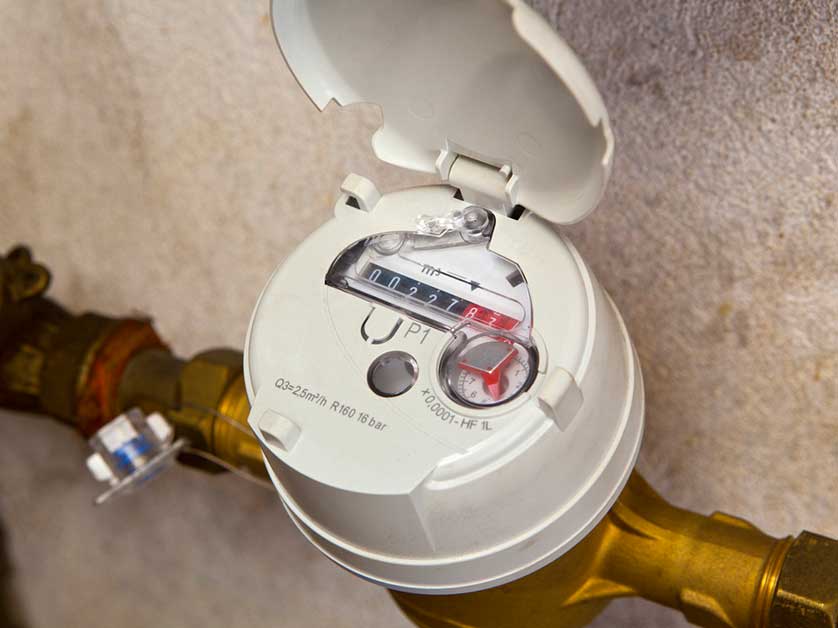
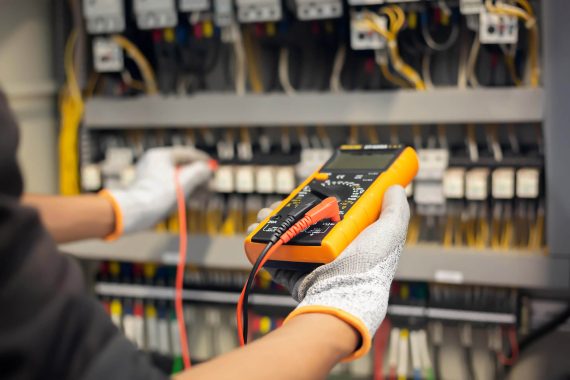
Smart thermostats and energy meters can significantly enhance heat pump efficiency. These devices provide precise control over your heating system, adapting to your schedule and outdoor conditions to optimize performance and reduce energy usage.
Conclusion
Implementing these optimization strategies ensures your heat pump operates efficiently throughout the winter. Proper preparation offers peace of mind, improves comfort, lowers energy bills, and reduces your environmental footprint.
Ready for Your Next Heating or Cooling Project?
If you’re in Indianapolis, IN, and need professional assistance to optimize your heat pump for winter, Indianapolis is here to help. Our experienced team provides maintenance checks, guidance, and system upgrades to ensure your heat pump performs at its best during the colder months. Fill out our form or give us a call at (317) 293-6510 to schedule your service.